
.jpg)

Post:
San Miguel de Allende: 200 years of history, art, and enduring presence
Published:
March 19, 2026
A city in central Mexico where history, culture, and a distinctive sense of place continue to shape one of the world’s most celebrated destinations.
More than two decades had passed since the consolidation of the Viceroyalty of New Spain, and the air carried a quiet sense of transformation. As efforts of expansion moved northward, in the Bajío region, an elevated valley became a meeting point where the routes connecting the mining regions of Guanajuato and Zacatecas converged with the center of the viceroyalty. Bathed in the slanted rays of the sun, this plateau evolved into a place of passage and refuge, soon earning the status of a villa. In 1542, it was named San Miguel el Grande by Fray Juan de San Miguel.


Centuries later, following Mexico’s Independence, the country was not only reorganizing politically, but also redefining its identity. In 1826, what was then San Miguel el Grande was recognized not only for its growth, but for its history. In honor of Ignacio Allende — a native of this land, a trained military officer, and a key figure in the insurgent movement — it adopted the name San Miguel de Allende and was officially granted city status. In doing so, it secured its place in the national memory as the birthplace of one of the architects of Mexico’s history.
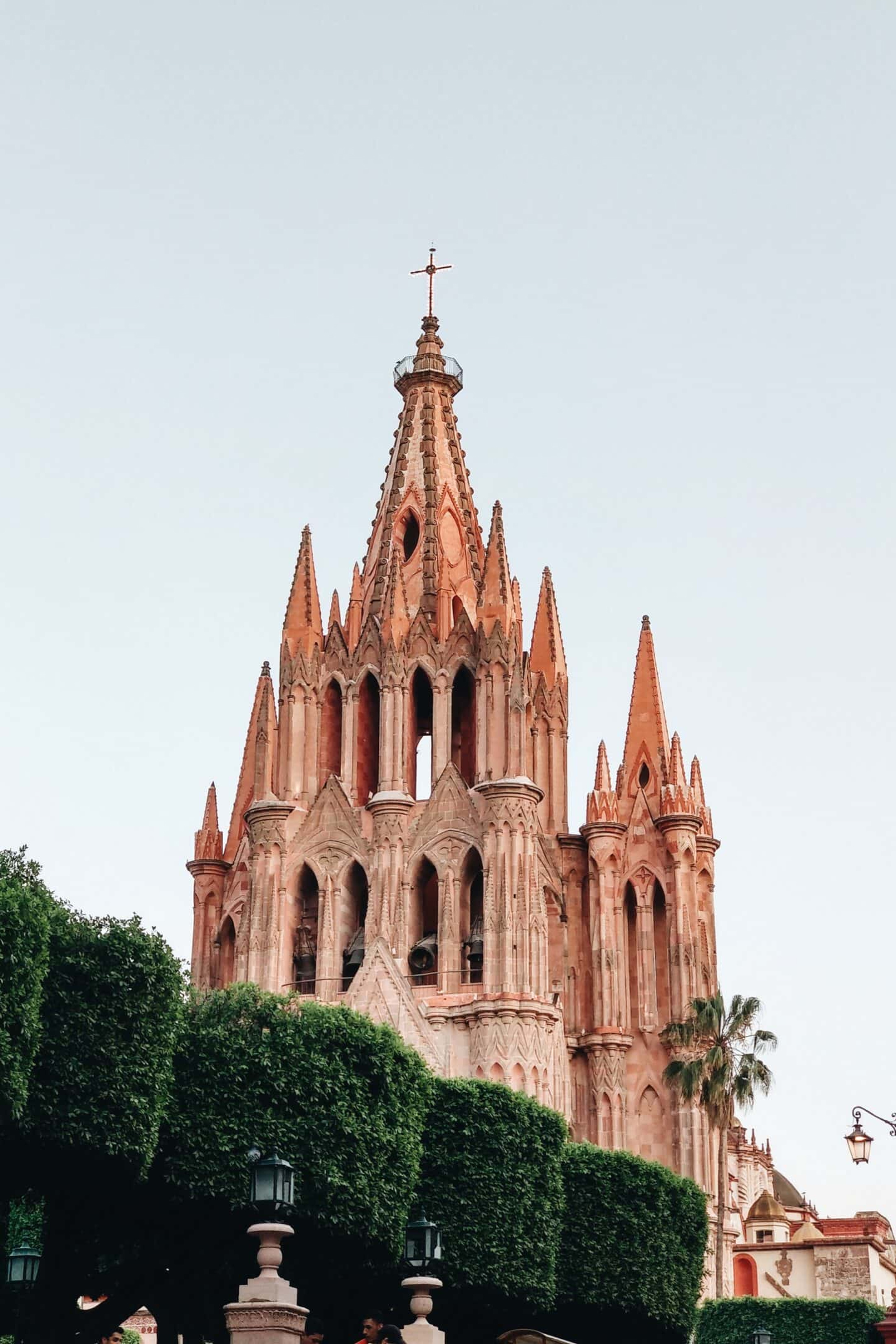
Two hundred years later, San Miguel de Allende seems to exist within a rhythm of its own. Its cobblestone streets, ochre-toned facades, and the organic, almost intuitive layout of its streets have been preserved as a living part of its identity. At the same time, it has become a cosmopolitan and vibrant city that draws national and international travelers, artists, and celebrations — all drawn to its rare ability to evolve without losing touch with its origins.


San Miguel de Allende could be described as a living painting, constantly in motion. Its atmosphere — both bohemian and deeply rooted in tradition, wrapped in a certain je ne sais quoi — has earned it recognition multiple times as the World’s Best City by Travel + Leisure. Beyond its bougainvillea-framed facades and colonial layout, it is the way history, art, and hospitality intertwine into an everyday experience that truly sets it apart. It is within this balance of authenticity, sensitivity, and continuity that its magnetism resides.


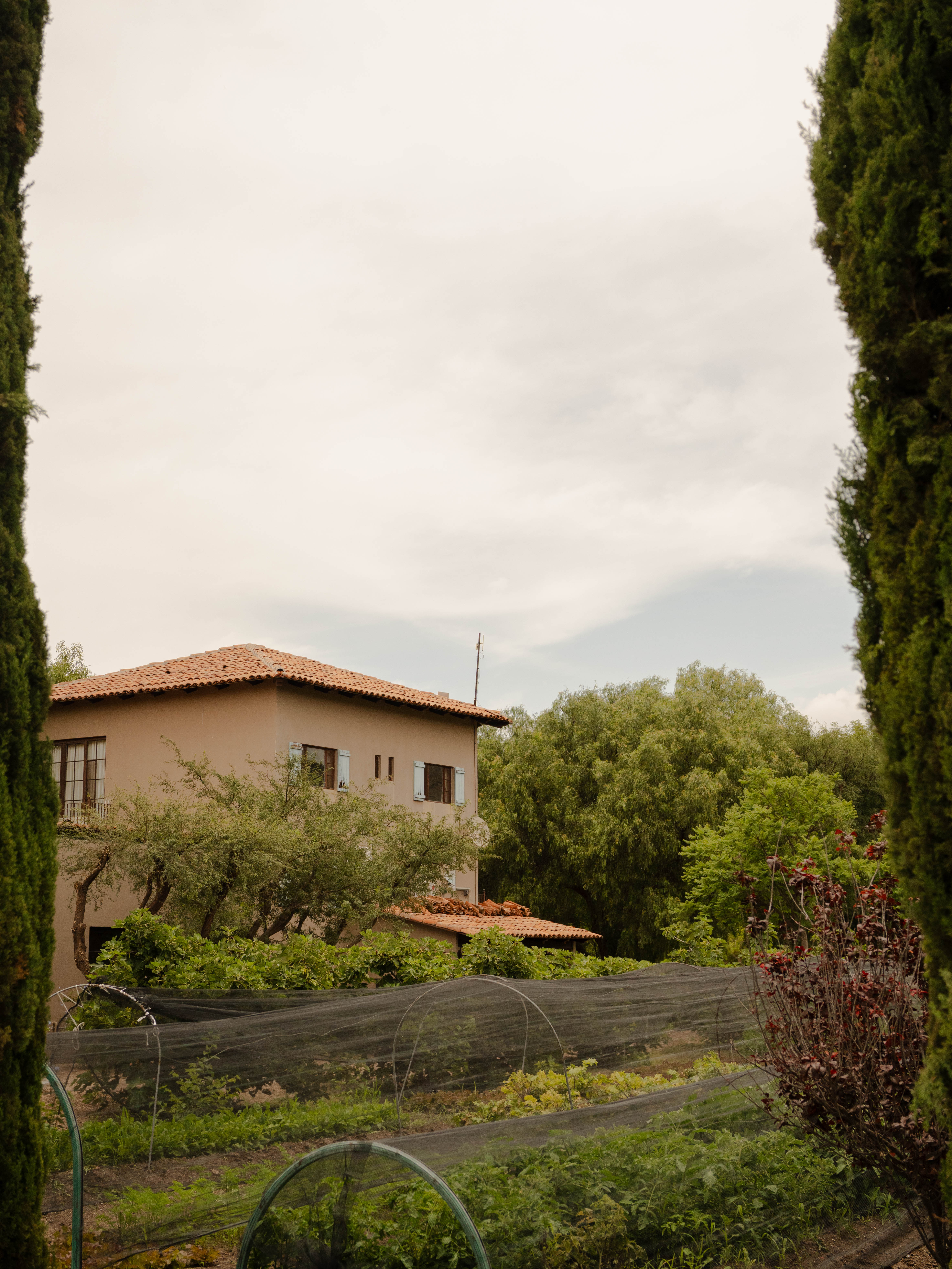
Beyond the bustle of its historic center, the spirit of San Miguel finds new ways to unfold. Among rolling hills and open landscapes, places like Luna Escondida extend the essence of the city without replicating it — interpreting it through stillness, intimacy, and a deep connection with the surrounding environment. Its integrated architecture and its approach to life and celebration reflect a more refined notion of luxury: one that honors the past while embracing the present. In this bicentennial moment, San Miguel de Allende not only reaffirms its place in the world, but continues to inspire spaces where its story can keep unfolding.