

Post:
Día de Muertos in San Miguel de Allende: The Day The Catrina Feels at Home
Published:
November 6, 2026
Anyone who has visited Mexico knows that, no matter the region, toward the end of October and the beginning of November something singular happens: the air fills with resinous, smoky, and woody notes, the landscape paints itself in yellows, ochres, and oranges, and the nights lose their darkness and remain lit by votive candles, tapers, and luminarias. If we count ourselves, between October 28 and November 2 there are more of us: we are all those who are here, as the popular Mexican saying goes, and also all those we wish were with us.


Inscribed on UNESCO’s Representative List of the Intangible Cultural Heritage of Humanity since 2008, Día de Muertos in Mexico has an uncertain origin. While some historians speak of the syncretism between Mesoamerican practices tied to death and Catholic worship, many others favor synthesis, a phenomenon in which certain traditions refused to be forgotten, chose to camouflage themselves a little and endure, and ended up absorbed into Christian forms. Thus, Día de Muertos awakens as a chimera, a tradition that, perhaps, by being neither entirely Indigenous nor entirely European, is entirely ours.


San Miguel de Allende celebrates this day with the same intensity as its neighboring towns and cities. Its calendar fills with events as traditional as they are avant-garde: altars for the dead, offering exhibitions, theater, film screenings, art shows, Catrina parades, and culinary experiences inspired by our peculiar way of relating to death.
On November 1, the facades of homes and shops overflowing with cempasúchil, the altars that hold at their center the photographs of our loved ones and on their steps their offerings, the crowded and decorated cemeteries, the papel picado, the blend of nostalgia and joy, and our unmistakable hospitality convince Death that she is at home. And so, on the morning of November 2, we wake among burned-down candles, half-empty glasses, and plates with nothing but crumbs where, the night before, sweet pan de muerto once rested. The soul feels lighter because the celebration was worthy of La Catrina and gave us one night in the company of those who are no longer here.


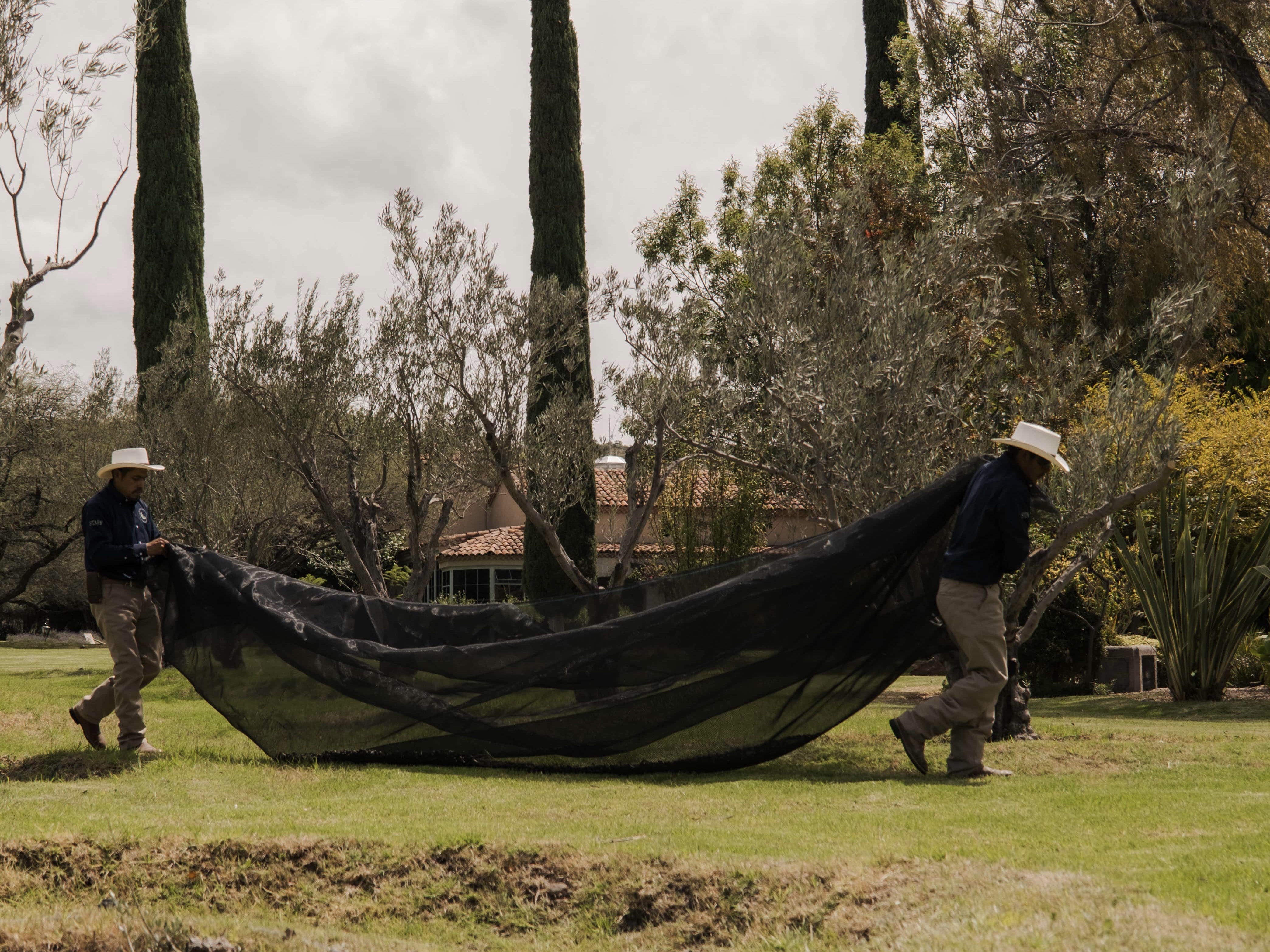
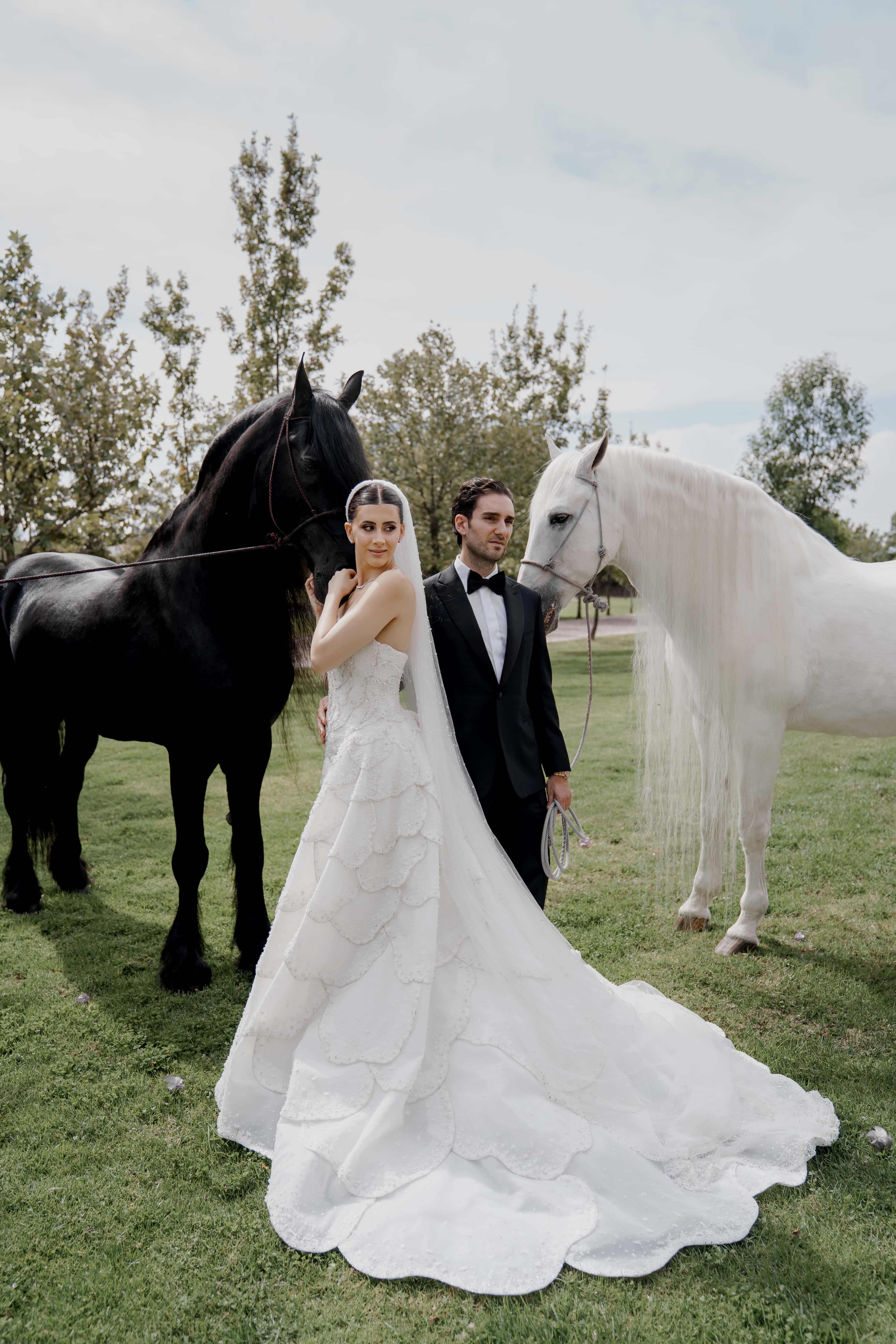
Luna Escondida honors this Mexican festivity through one of its most beloved literary creations: the Calaverita. Amid rhythmic, ironic, irreverent verses, La Catrina found at our ranch her share of tequila, flowers, promises of love, and drama. For one poetic instant, an “almost doomed” wedding played with the questions that keep us up at night and laughed at fate and at what we imagine to be our worst tragedies.
En Jardín Colibrí la ceremonia comenzaba,
At Jardín Colibrí the ceremony was about to start,
en punto de las cinco
at five o’clock sharp,
ataviados en atuendo y rizo,
all dressed up in their finest, every curl in place,
la horda de invitados esperaba.
the whole horde of guests waited, hearts a-flutter in their chests.
La espera se alargaba,
The waiting stretched and grew,
y el novio ni sus luces asomaba.
and of the groom, there was no sign in view.
La novia se dio por vencida
The bride gave up at last
y a las Caballerizas emprendió la huida.
and toward the Caballerizas she fled, running fast.
Los invitados la vieron correr,
The guests all watched her go,
ni la planner la pudo detener.
and not even the planner could slow her flow.
Los tacones repicaron
Her heels went clicking by,
y las Silkies, por el susto, sus plumas desparramaron.
and the frightened Silkies let their feathers fly.
Por los senderos la novia pasó volando,
Along the paths the bride went flying past,
mientras los caballos, ya lo iban adivinando.
while the horses, sensing trouble, braced themselves at last.
En el Speakeasy lo encontró,
In the Speakeasy she found him there,
entre tragos de tequila que el rancho le regaló.
amid the tequila the ranch had poured with care.
Entonado, muy festivo y muy contento,
Merry, festive, and glowing with cheer,
al verla en la puerta se quedó sin aliento.
he lost his breath the moment she appeared.
Pasó saliva el muy galán y casi se atragantó,
The dashing groom swallowed hard and nearly choked,
al ver que la Catrina se asomó.
as La Catrina peeked in, unprovoked.
“Por fin,” dijo ella, “qué interesante,”
“At last,” she said, “how very intriguing,”
y estiró su mano pa’ llevárselo en ese instante.
and she reached out her hand to take him, no time for dithering.
Pero, al ver a la novia, con los ojos como platos,
But when she saw the bride, her eyes as wide as plates,
pensó: “no es día para regalarle tan mal rato”.
she thought, “today is not the day to tempt such fates.”
“Está bien, ahí se los dejo,
“All right, I’ll leave them be,
pero permítanme ser parte del festejo.”
but let me join the revelry.”
Entre dramas
Amid the drama
y copas derramadas
and the spilled glasses,
la Catrina se reía por lo sucedido.
La Catrina laughed at all that had passed.
Quizá en Luna no logró su cometido,
Perhaps at Luna she did not succeed,
pero ah, qué rato tan divertido.
but oh, what a merry time indeed.